Recycling Process
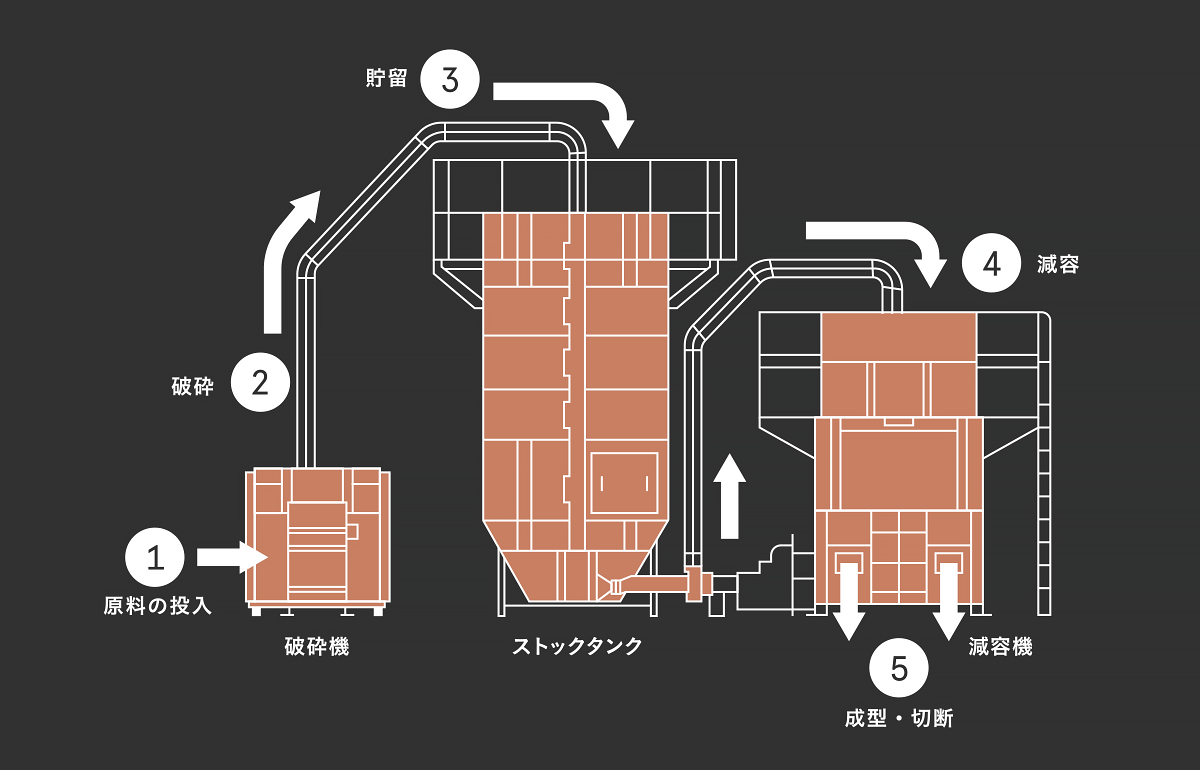
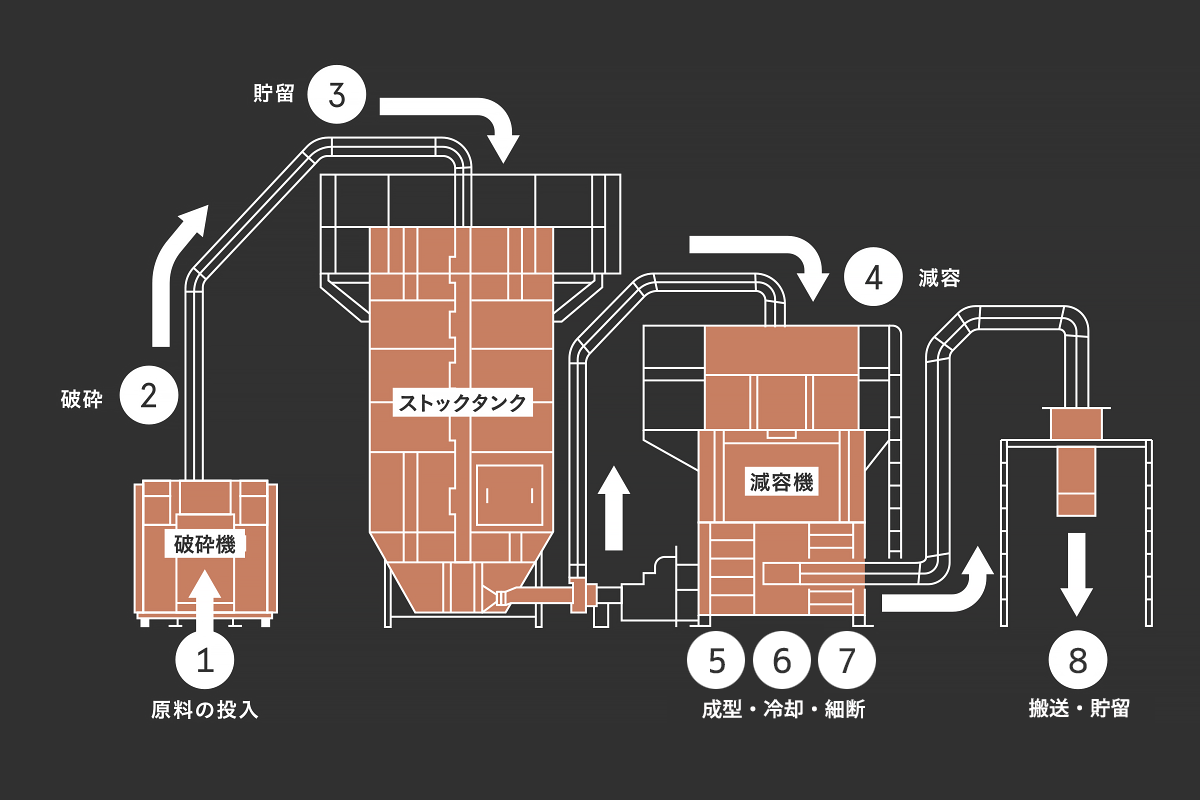
Recycling Process
Foam Densifiers for EPS Recycling | Yamamoto
Foam Densifiers
Densifies EPS, EPE, EPP, XPS, and PSP in a single machine.
Compact, space-saving densifiers that shred, densify, and mold foam plastics in a single machine.
-
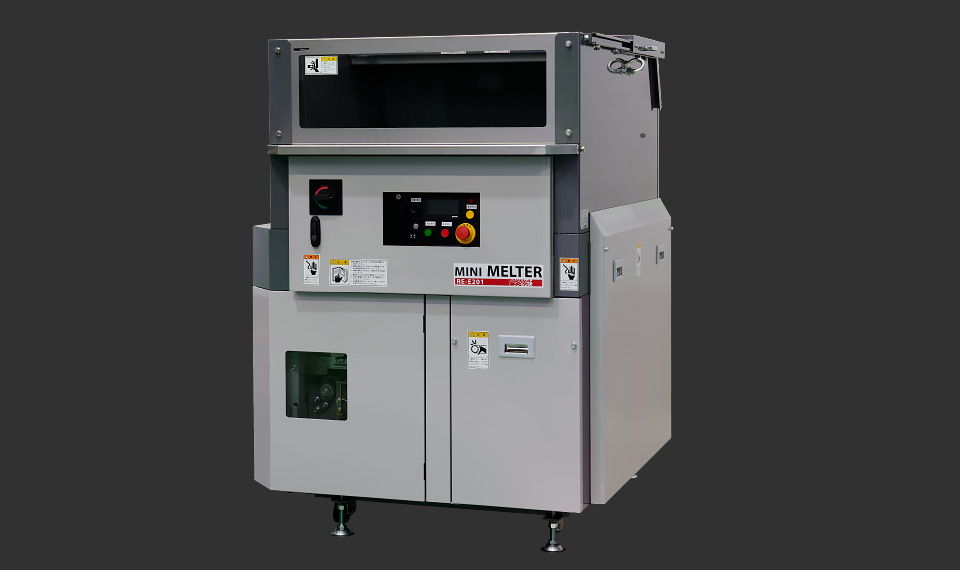
RE-E201
Capacity : 20kg/h (44lb/h)
Ideal for in-house EPS recycling.
A compact, energy-efficient densifier designed for small-scale operations. -
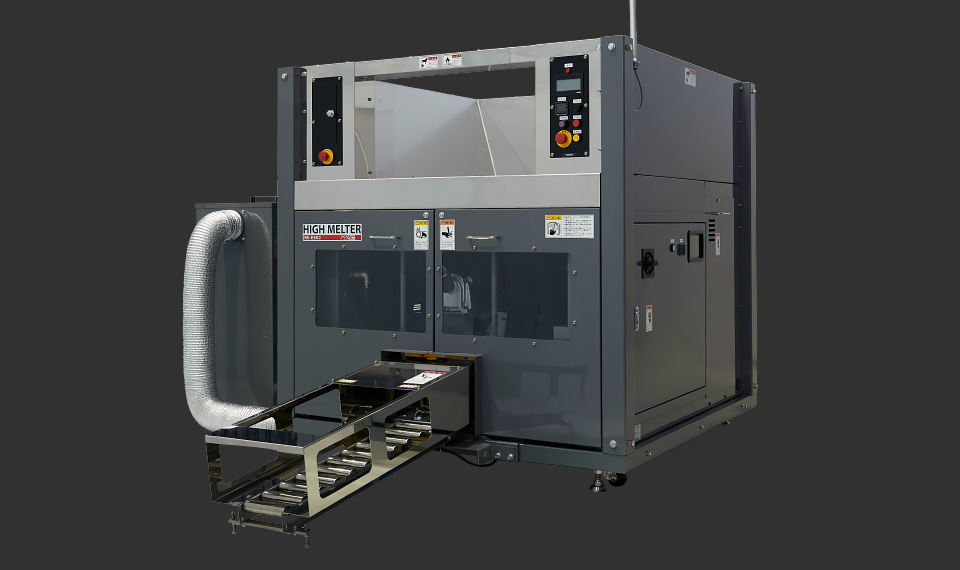
RE-E502 / 502X
Capacity : 50kg/h (110lb/h)
YAMAMOTO's long-selling standard model, trusted by businesses across a wide range of industries.
-
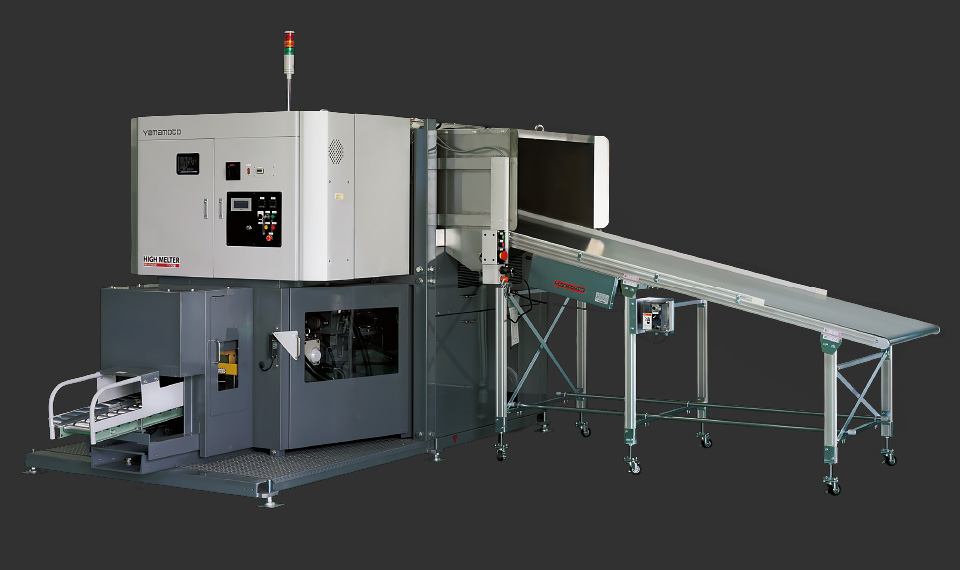
RE-E1000
Capacity : 100kg/h (220lb/h)
Delivers high processing capacity in a compact footprint while ensuring both operator safety and ease of use.
One Densifier. Multiple Foam Materials.
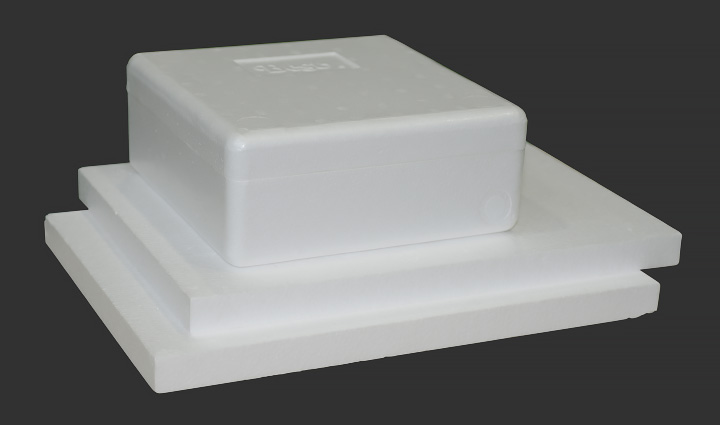
EPSExpanded Polystyrene
Widely used for protective packaging, fish boxes, insulation, and cushioning applications.
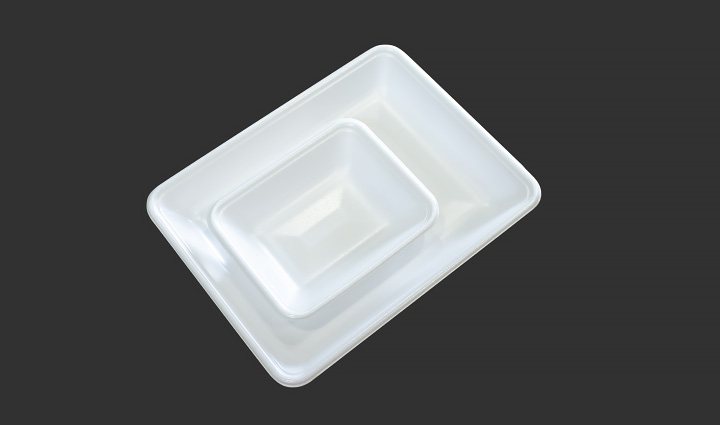
PSPPolystyrene Sheet
Commonly used for food trays, takeout containers, and disposable food packaging.
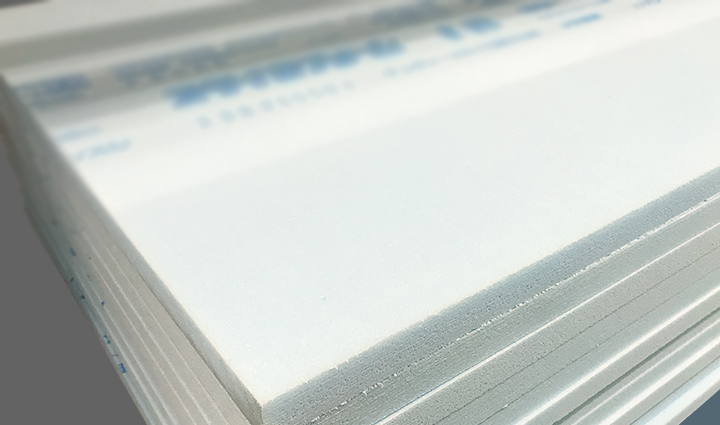
XPSExtruded Polystyrene
Used primarily as rigid insulation boards for residential and commercial buildings.
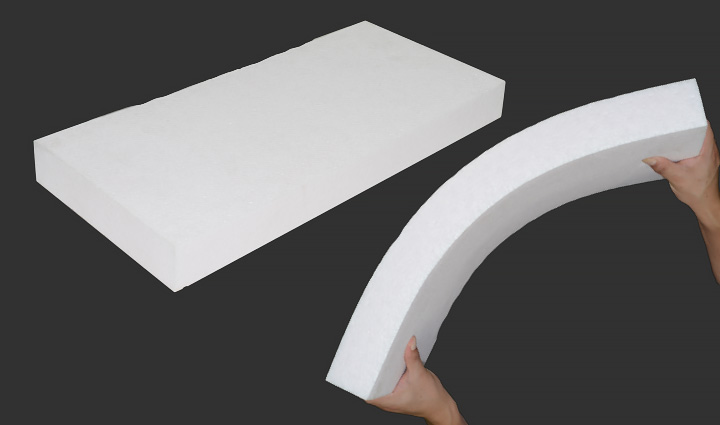
EPPExpanded Polypropylene
A durable, lightweight foam used for automotive components, reusable packaging, and impact protection.
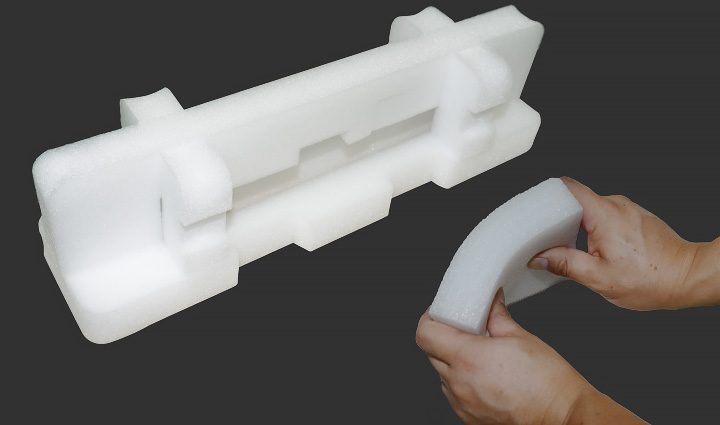
EPEExpanded Polyethylene
A flexible foam material widely used for protective packaging, cushioning, and industrial applications.
Why Choose YAMAMOTO Foam Densifiers
YAMAMOTO foam densifiers are designed not only for high-quality output and reliable performance, but also with the operator in mind—making everyday operation safer, easier, and more comfortable.

Simple,
Intuitive Operation
Simple push-button controls make everyday operation easy and straightforward.

Less Waiting,
Less Hassle
With a warm-up time of just 5–15 minutes, operators can get to work quickly after startup or breaks.

A More Comfortable
Work Environment
A compact heat source and activated carbon odor filtration help minimize heat and odors, creating a more comfortable work environment.

Safety-First
Design
Hazardous areas are designed to prevent accidental contact, while safety interlocks stop the machine and prevent operation when access covers are open.
FAQ
What are the benefits of densifying expanded polystyrene (EPS)?
EPS is lightweight but bulky, making it inefficient to transport and costly to store and dispose of in its original form. A foam densifier significantly reduces its volume by converting it into compact, solid densified material, helping immediately reduce transportation, storage, and disposal costs.
Densification can also improve workplace efficiency and optimize storage space. In some regions, densified EPS may be used as a recyclable raw material; however, recycling options and requirements depend on local market conditions.
What is the difference between hot-melt and cold-press densification?
There are two common methods for densifying EPS: hot-melt densification, which uses heat to melt and densify the foam, and cold-press densification, which mechanically compresses it.
Hot-melt densification removes the air trapped within the foam more thoroughly, achieving greater volume reduction and improving transportation efficiency. For this reason, hot-melt densification is widely used in Japan.
Does thermal densification produce odors?
Our foam densifiers feature a built-in activated carbon filtration system designed to minimize odors generated during thermal densification. The level and perception of odor may vary depending on the material being processed, the installation environment, and ventilation conditions.
Does the machine consume a lot of electricity?
Our proprietary slit-heater design reduces actual heater-on time to approximately one-third to one-half of total operating time. Compared with conventional foam densifiers using band heaters, this design reduces power consumption and can help lower operating costs.
What is the densified material like when it is discharged?
The densified material is formed into a flat profile, automatically cut to length, and discharged from the machine. Its surface temperature is approximately 70°C (158°F), and it cools relatively quickly.
Each piece typically weighs approximately 1–6 kg (2.2–13.2 lb), making it easier to handle, transport, and store.
Note: Wear protective gloves when handling or transporting hot densified material.
Can the machine process materials other than EPS?
Yes. In addition to EPS (expanded polystyrene), the machine can process the following foam materials without changing machine settings:
・PSP – Polystyrene Paper Foam
・XPS – Extruded Polystyrene Foam
・EPE – Expanded Polyethylene
・EPP – Expanded Polypropylene
Processing suitability and operating conditions may vary depending on the material and operating environment. Please contact us to confirm compatibility for your specific application.
Does the densification process generate dust?
The shredding process takes place inside an enclosed hopper. Dust generated during shredding is therefore contained within the machine and is subsequently incorporated into the material during thermal densification.
This design helps minimize the release of dust into the surrounding work environment.
Can the densified material be sold?
Whether densified material can be sold, and at what price, depends on the local recycling market. We do not purchase densified material, but we can provide general information about recycling trends when appropriate.
Customers should contact local recyclers or material buyers to confirm acceptance requirements, pricing, and other transaction terms in their area.
Is the machine safe to operate?
The machine is designed with safety in mind and includes guards and safety devices around hazardous areas such as rotating components and cutting mechanisms.
Our equipment is developed based on Japanese safety design practices and incorporates features intended to support safe operation. Operators should always follow the operating manual, required safety procedures, and applicable local regulations.
Is the machine easy to operate?
Yes. The machine is designed for simple operation, with most functions controlled by push buttons. No specialized skills are required for basic operation, and operators can begin using the machine after appropriate training.
What are the advantages of a Japanese-made foam densifier?
EPS recycling has been practiced in Japan for more than 40 years, and foam densification equipment has continuously evolved through decades of real-world use.
Drawing on this experience, our foam densifiers are designed with an emphasis on durability, stable performance, and energy efficiency. Their reliability is backed by extensive use in demanding operating environments.
Can a foam densifier be used in areas without established recycling infrastructure?
Yes. Even where recycling infrastructure or markets are not yet well established, a foam densifier can provide immediate benefits by significantly reducing the volume of EPS.
This can improve transportation and storage efficiency and help reduce disposal costs, making densification beneficial even when local recycling options are limited.
Does installation require any special equipment?
In most cases, no special supporting equipment is required for installation. However, electrical requirements, installation space, and applicable local codes and regulations should be confirmed before installation.
We recommend reviewing site requirements in advance to ensure proper installation and operation.