Engineering Approach | Yamamoto Recycling Equipment
Engineering
for a Better Recycling Future
The circular economy is transforming the way
we think about waste—turning discarded materials
into valuable resources and keeping those resources in circulation.
Yet the recycling industry continues to face real challenges, including labor shortages
and increasingly demanding operating environments.
At YAMAMOTO, we believe engineering can make a difference.
We develop recycling equipment that helps operators work more safely
and efficiently while producing high-quality recycled materials.
Our goal is to create practical solutions that help move the recycling industry forward.
Three Core Principles
Our products are developed around three core principles.
PRINCIPLE 01
Creating High-Quality Recycled Materials
Listening to Downstream Recyclers
We serve two sides of the recycling process: customers who use our equipment and recyclers who purchase the material it produces.
For recycling to work effectively, simply processing waste is not enough. The resulting material must also meet the needs of recyclers who use it as a resource.
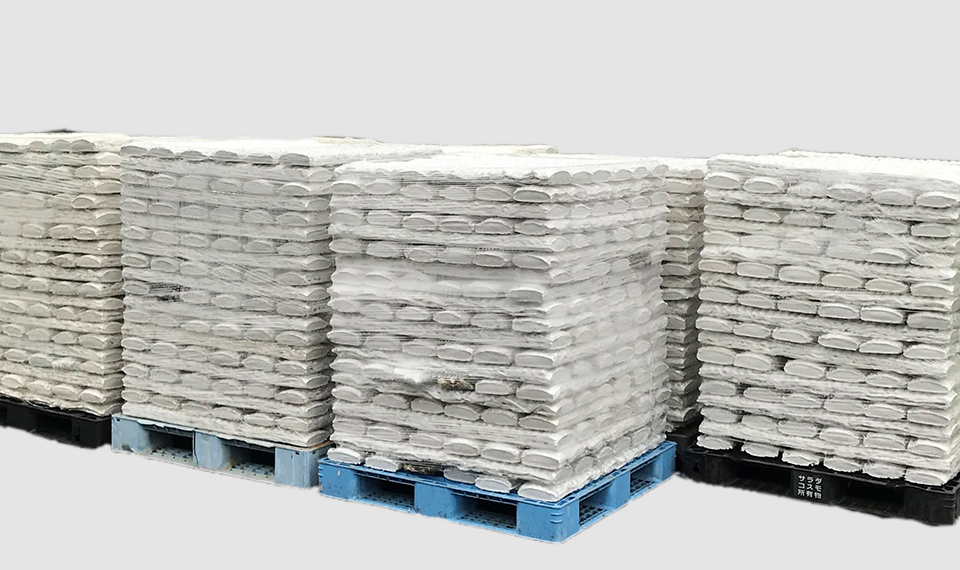
By listening directly to recyclers in Japan and around the world, we continue to develop equipment that produces high-quality recycled materials with real downstream value.
Technology Designed for High-Quality Output
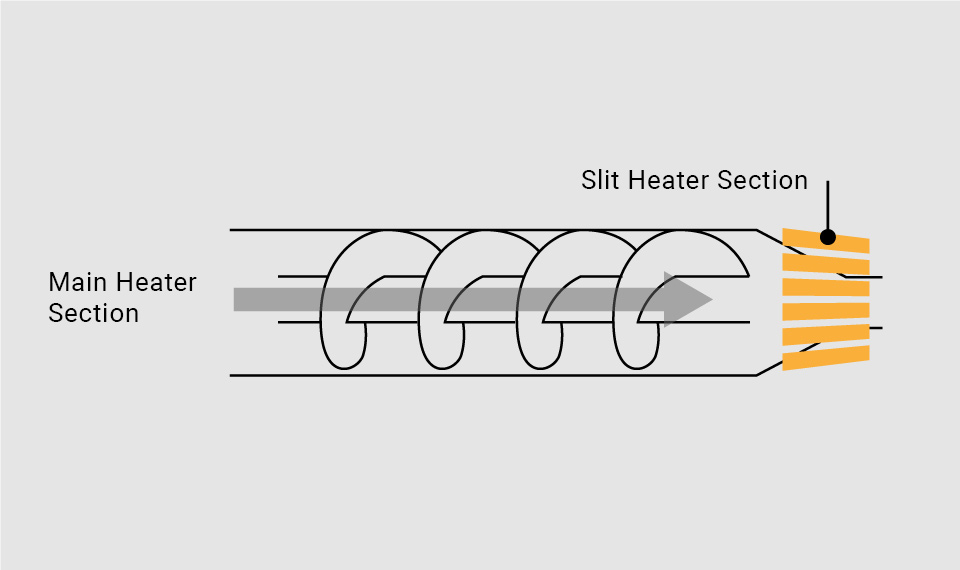
Expanded polystyrene is approximately 98% air. Efficient densification requires removing that air while minimizing the heat applied to the material. Excessive heat can cause thermal degradation and reduce the quality of the recycled material. To address this challenge, YAMAMOTO developed a proprietary slit-heater design that combines effective densification with minimal thermal exposure. The material passes quickly through the heater, helping reduce thermal degradation and preserve its quality for recycling.
PRINCIPLE 02
Designed for Safer, Easier Operation
Built with the Operator in Mind
We believe good equipment should work not only for the business, but also for the people who use it every day. That means prioritizing operator safety, ease of use, and a comfortable work environment as fundamental design requirements. By designing equipment around the operator, we aim to help our customers create safer, more sustainable workplaces.
Safety as an Engineering Priority
Our equipment is used alongside machinery from many other manufacturers. That makes safety not only a product requirement, but a fundamental engineering responsibility.
We consider potential risks throughout product development and work to reduce them through thoughtful machine design, guarding, and safety systems.
Less Waiting, Easier Operation
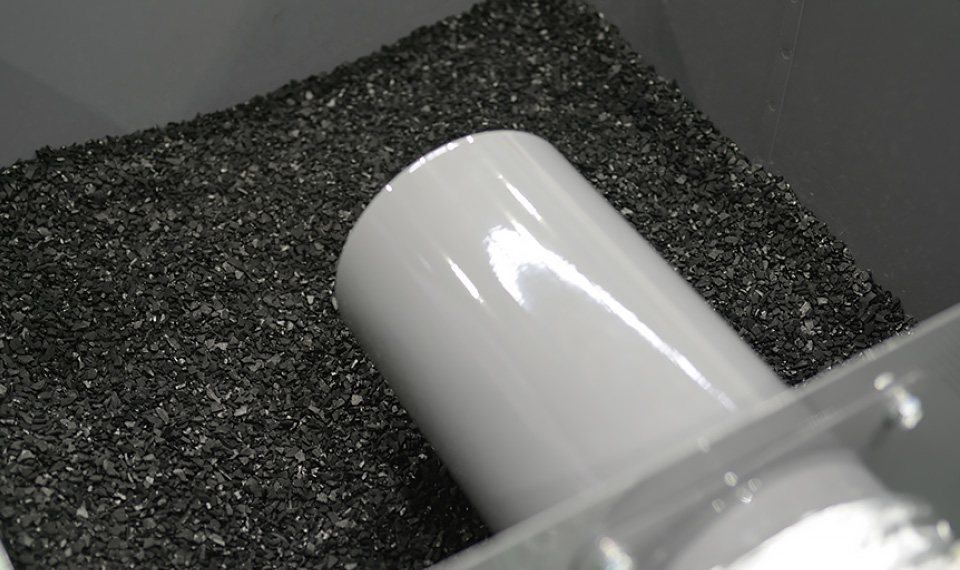
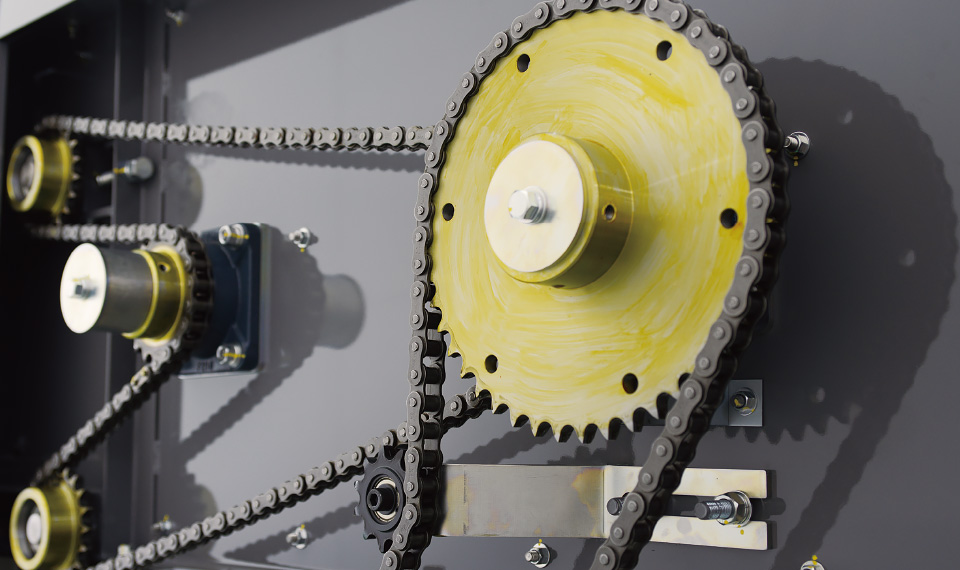
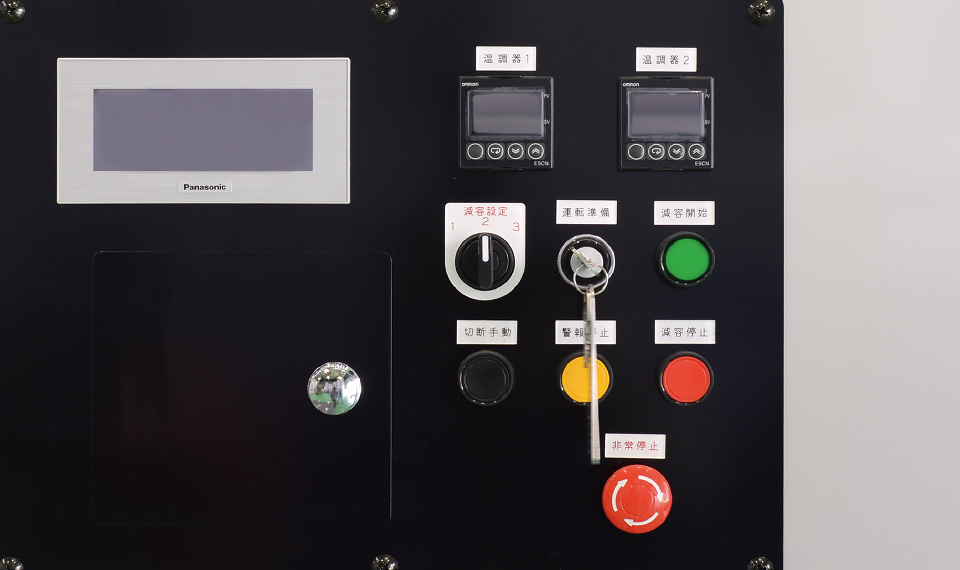
Our equipment is designed to make everyday operation simple and efficient. Controls are clearly separated by function, while straightforward operating procedures help minimize unnecessary steps. YAMAMOTO foam densifiers offer warm-up times of approximately 5–15 minutes. Built-in cooling eliminates the need for separate cooling after discharge, while activated carbon odor filtration helps reduce odors for a more comfortable work environment.
PRINCIPLE 03
Design with Purpose
Equipment Worth Taking Pride In
Industrial equipment is sometimes viewed as something that only needs to function. We see it differently.
Equipment used every day should combine performance and safety with thoughtful design. Attention to details such as layout, finishes, and overall appearance can make equipment easier to use—and something operators can take pride in.
Making Recycling Easier to Understand
Plastics are essential to modern life, yet different types of plastic require different recycling processes. Identifying and separating materials correctly is an important first step toward effective recycling.
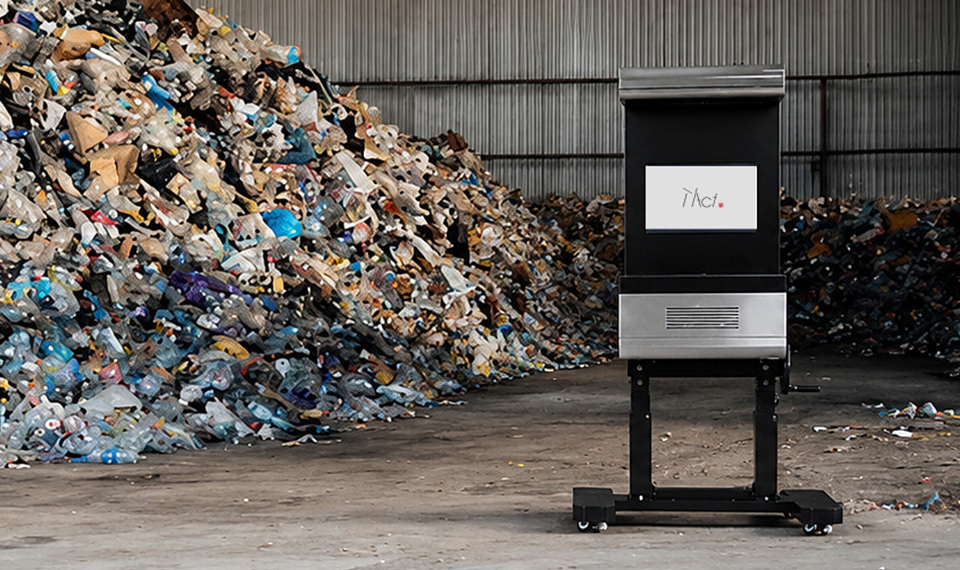
Placil TAct™ was developed to make plastic identification easier to understand and more accessible. By helping users identify and sort plastic materials, it supports better recycling decisions and greater awareness of plastic recycling.